Pregnancy is full of surprises—some joyful, some unexpected—and one of those surprises may be a diagnosis of placenta previa. If you’ve been told you have placenta previa during an ultrasound, you’re not alone. While it may sound concerning at first, it’s important to understand what it is, how it can affect your pregnancy, and how to move forward feeling empowered and calm. (For your 25% Off Hypnobabies Discount, see below this post!)
What Is Placenta Previa?
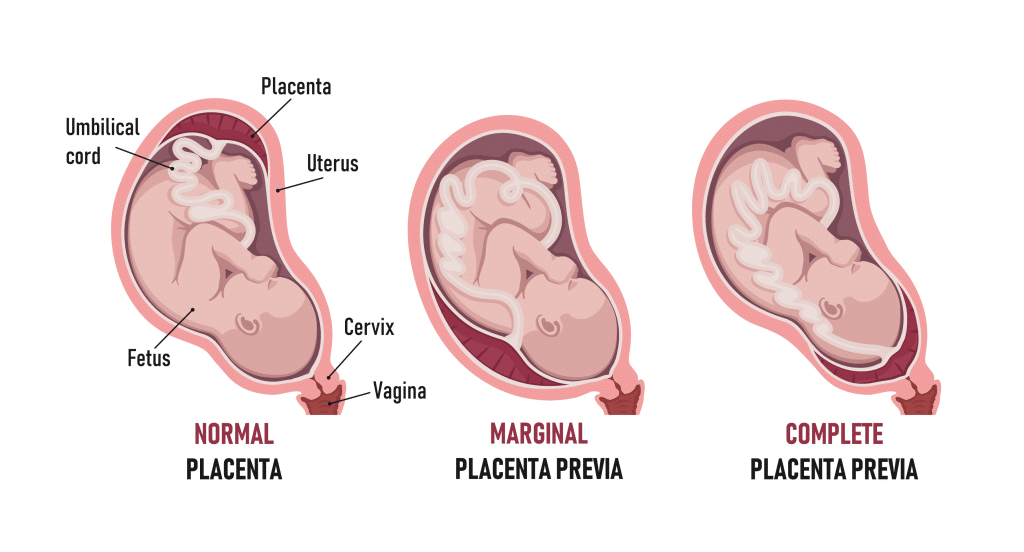
Placenta previa occurs when the placenta attaches low in the uterus and partially or completely covers the cervix—the opening to the birth canal. Since the cervix is the baby’s path out of the uterus, its obstruction can make vaginal birth unsafe in some cases.
There are a few types of placenta previa:
Complete previa: The placenta completely covers the cervix.
Partial previa: The placenta partially covers the cervix.
Marginal previa: The edge of the placenta touches the cervix.
This condition is typically discovered during a second-trimester ultrasound, although it can be found earlier or later in pregnancy.
Can It Resolve on Its Own?
Yes, in many cases it does! As the uterus grows, the placenta can “move up” and away from the cervix. This is especially common with diagnoses made earlier in pregnancy. Follow-up ultrasounds are often scheduled to monitor the position of the placenta as your pregnancy progresses.
Why Is Placenta Previa Important?
Placenta previa can lead to painless vaginal bleeding, usually in the second or third trimester. Because the placenta is near or over the cervix, any changes in the cervix—like softening or opening—can cause the placenta to bleed. This is why activity levels and birth plans may need to be adjusted.
In cases where the placenta continues to cover the cervix late in pregnancy, a cesarean birth may be recommended for safety. While that might not be what you envisioned, it’s still possible to have a calm, empowering, and positive birth experience.
How Hypnosis Can Help
Whether your placenta previa resolves or you’re preparing for a different birth path than expected, your mindset matters. Hypnosis for childbirth can be a powerful tool to reduce fear and promote a sense of peace and control.
At Hypnobabies, we offer tracks like “I Release My Fear of Childbirth” to help expectant moms work through anxiety, shift into a positive mindset, and feel confident about their birthing journey—whatever it may look like. These hypnosis tracks are especially helpful when birth plans change unexpectedly.
What You Can Do
If you’ve been diagnosed with placenta previa:
Follow your care provider’s guidance carefully.
Stay informed and ask questions.
Monitor any bleeding and report it immediately.
Prepare mentally and emotionally, using hypnosis tools to reduce stress and increase confidence.
And most importantly—know that you are not alone. Many moms have navigated placenta previa with strength and grace and gone on to have beautiful birth experiences. Whether your journey includes a cesarean birth or a hopeful resolution, your well-being and your baby’s health are what matter most.
💗 You deserve a more peaceful, empowering birth — and Hypnobabies can help!
Enjoy 25% OFF all hypnobirthing courses, tracks, and hypnosis sets at Hypnobabies Academy. 🎁
Use code myhypnobirth25-off at checkout
Search
Categories
- Birth Center Stories 111
- Birth Hypnosis 33
- Birth Professionals 34
- Breech Babies 23
- Childbirth Education 55
- First Time Moms 198
- Home Birth 184
- Hospital Birth 500
- Hypnobabies Blog 198
- Inductions 70
- Know Your Options 95
- Media Library 21
- Multiples 18
- News 60
- Podcasts 2
- Pregnancy Hypnosis 25
- Start Here 24
- Uncategorised 34
- VBAC Birth 80
- Videos 31
- Water Birth 176