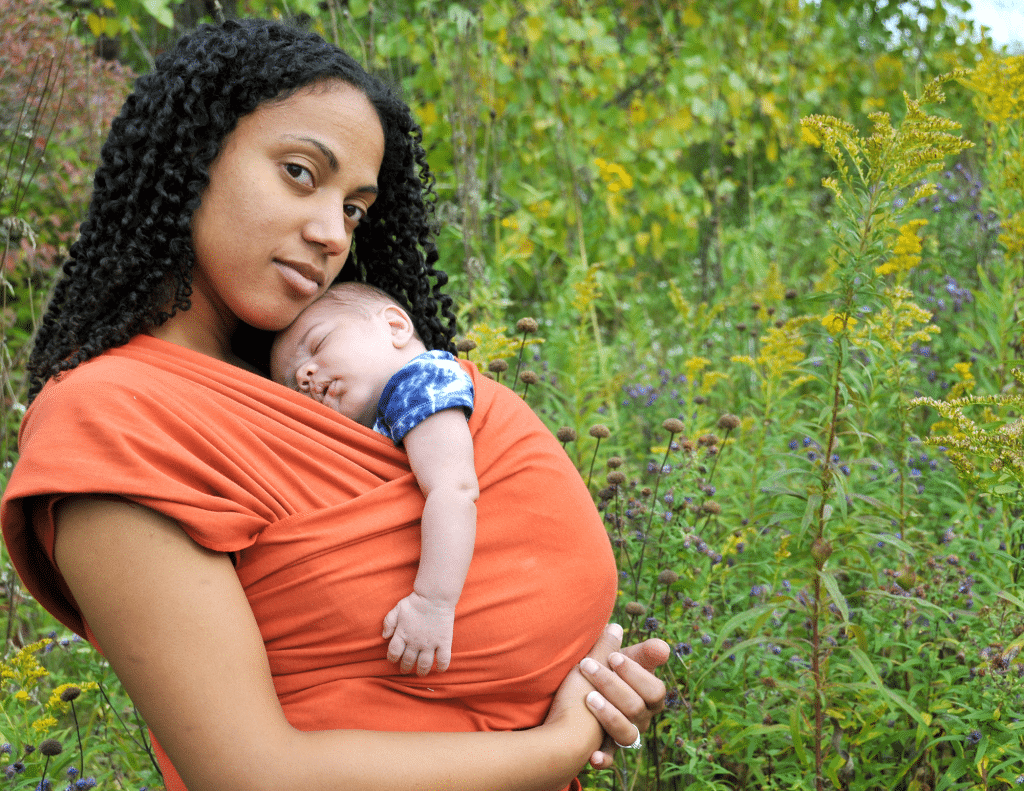
For centuries, parents around the world have carried their babies close to their bodies—not only as a way to keep their hands free, but also to keep their babies safe, soothed, and connected. This age-old practice, known today as babywearing, is deeply rooted in human history and continues to offer a wide array of physical, emotional, and developmental benefits for both babies and caregivers.
A Global and Historic Tradition
Babywearing is by no means a modern invention. Anthropologists believe that humans have been carrying infants in slings for tens of thousands of years. Before the invention of strollers or cribs, carrying a baby close was essential for survival. In many traditional societies, babies were kept in slings made from animal skins, woven fabrics, or plant fibers, allowing caregivers to move freely while maintaining constant contact with their infants.
Across the globe, various cultures developed their own methods and materials for babywearing:
Africa: In many African cultures, mothers use a kanga, khanga, or wrapper to secure their babies on their backs. This practice is still widely seen today and often involves simple, beautifully patterned cloths tied without fasteners or buckles.
Asia: In China, Korea, and Japan, carriers like the mei tai, podaegi, and onbuhimo have been used for generations. These carriers offer structured support while keeping the baby snug against the caregiver’s body.
The Americas: Indigenous groups in North and South America, such as the Navajo or Quechua, developed cradleboards and shawl-style wraps to transport and care for their young in both nomadic and settled lifestyles.
Europe: In medieval Europe, babywearing was less common among the upper classes but remained an everyday necessity among working-class families, especially in agricultural communities.
Despite the dominance of strollers and prams in modern Western culture, babywearing has seen a powerful resurgence in recent decades—particularly within natural parenting, attachment parenting, and baby-led communities.
The Benefits of Babywearing
Modern research continues to support what traditional cultures have long known intuitively: holding babies close fosters deep emotional bonds and supports healthier physical development. Here are some of the many benefits of babywearing:
1. Bonding and Attachment
Babywearing promotes secure attachment between baby and caregiver. The physical closeness encourages bonding by increasing oxytocin levels in both the baby and the parent. This can enhance emotional security and even help reduce postpartum depression.
2. Crying Reduction
A groundbreaking 1986 study published in Pediatrics found that babywearing significantly reduces infant crying. Babies who were carried more during the day cried 43% less overall and 51% less in the evening hours.
3. Supports Physical Development
Being upright in a carrier helps babies develop neck and head control, strengthens their core muscles, and encourages better hip development when the baby is positioned properly. Ergonomic baby carriers can also help prevent flat head syndrome (plagiocephaly).
4. Better Sleep for Baby
Babies in carriers often fall asleep more quickly and sleep more soundly. The rhythm of the caregiver’s movement, warmth, and heartbeat mimic the womb environment, which can be deeply calming and help regulate a newborn’s sleep patterns.
5. Convenience and Mobility
Babywearing frees up your hands to handle other tasks or care for older children. It’s especially helpful in places where strollers are inconvenient, such as crowded streets, nature trails, or busy public transportation.
6. Supports Breastfeeding
Carrying your baby close can increase breastfeeding success by encouraging frequent, on-demand feeding. Some carriers even allow discreet, hands-free breastfeeding on the go.
7. Promotes Social and Cognitive Development
Babies in carriers are at eye level with the adult world. They are more likely to observe facial expressions, conversations, and social interactions, all of which help stimulate early language acquisition and brain development.
A Timeless Way to Connect
Babywearing is more than a parenting trend—it’s a timeless, cross-cultural tradition that honors the natural needs of both babies and caregivers. Whether you’re carrying a newborn on your chest or a toddler on your back, the benefits are enduring. For many parents, babywearing is not just a method of transport—it’s a lifestyle rooted in love, presence, and connection.
 YOU deserve a more peaceful, empowering birth too — and Hypnobabies can help! Enjoy 25% OFF all hypnobirthing courses, tracks, and hypnosis sets at Hypnobabies Academy.
 Use code myhypnobirth25-off at checkout: HypnobabiesLinks.com/Hypnobirthing