When planning for pregnancy or receiving early prenatal care, one important piece of information you’ll encounter is your blood type – specifically, whether you are Rh-positive or Rh-negative.
The Rh factor (short for “Rhesus” factor) refers to a specific protein found on the surface of red blood cells. If you have the protein, you’re Rh-positive; if you don’t, you’re Rh-negative.
While your Rh status typically doesn’t affect your day-to-day health, it can have important implications during pregnancy, birth, and postpartum recovery.
(All blog visitors get 25% OFF at Hypnobabies Academy – see below! 💙)
Understanding the Basics of Rh Factor in Pregnancy
About 85% of people in the U.S. are Rh-positive, while around 15% are Rh-negative.
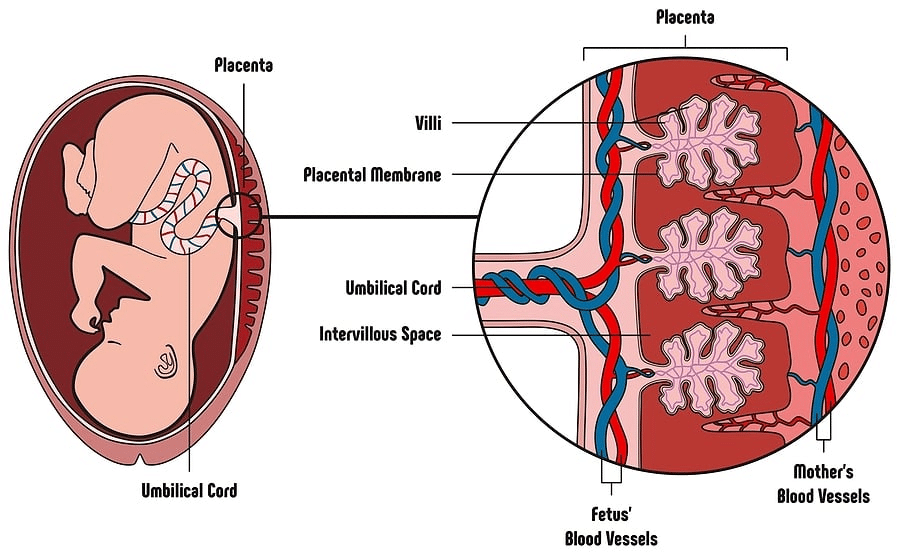
If a birthing mother is Rh-negative and her baby is Rh-positive (inherited from the father), her immune system may recognize the baby’s Rh-positive red blood cells as foreign. In response, her body could begin to produce antibodies against the baby’s red blood cells – a process known as Rh sensitization.
This doesn’t usually affect the current pregnancy unless there is a significant transfer of blood between mother and baby, which can sometimes happen during birth or certain medical situations. Your care team knows when extra precautions are helpful and will guide you.
Sensitization is more of a concern for future pregnancies, because these antibodies can cross the placenta and attack a future baby’s red blood cells, leading to hemolytic disease of the newborn (HDN). HDN can cause anemia, jaundice, and in rare cases, more serious complications if left untreated.
🩺 How Will I Know My Rh Status?
One of the first routine blood tests during pregnancy checks your blood type and Rh factor. If you are Rh-negative, your healthcare provider will explain what that means for your care and how the preventive treatment Rh immune globulin (RhIg) can help protect both you and your baby.
How the Rh Factor Affects Pregnancy
First Pregnancy:
In most first pregnancies where Rh incompatibility exists, the baby is usually not affected because sensitization typically happens at or after birth. In some cases, your healthcare provider may recommend additional RhIg treatment during pregnancy as a precaution.
Subsequent Pregnancies:
Once sensitization occurs, the mother’s antibodies remain in her body permanently. In a future pregnancy with another Rh-positive baby, these antibodies can affect the baby’s red blood cells earlier in pregnancy, which is why prevention in the first pregnancy is so important.
How the Rh Factor Affects Birth
During Birth:
Birth is a time when fetal and maternal blood cells are most likely to mix. If the birthing mother is Rh-negative and the baby is Rh-positive, there’s a strong chance of sensitization unless preventive treatment is given.
Preventive Treatment – Rh Immune Globulin (RhIg):
To prevent Rh sensitization, Rh-negative mothers are typically given an injection of Rh immune globulin (often known by brand names like RhoGAM) around 28 weeks of pregnancy and again within 72 hours after delivery if the baby is confirmed to be Rh-positive.
This treatment helps prevent the mother’s immune system from reacting to Rh-positive blood cells, protecting her and any future babies.
📊 Statistics:
- Without prevention, up to 16% of Rh-negative women will become sensitized after their first Rh-incompatible pregnancy.
- With proper RhIg treatment, the risk of sensitization drops to less than 1%.
How the Rh Factor Affects Postpartum Recovery
Immediate Postpartum Care:
If the newborn is Rh-positive, Rh-negative mothers will receive another RhIg injection after birth. This is an important step to help prevent the formation of long-term antibodies that could affect future pregnancies.
Future Family Planning:
If Rh sensitization does occur, it can complicate future pregnancies. More intensive monitoring, specialized care, and sometimes early delivery or other medical treatments may be needed to protect future babies.
If no sensitization occurs thanks to RhIg treatment, most future pregnancies can proceed normally, regardless of the Rh status of subsequent babies.
📝 What Else Should You Know About RhIg Protection?
Throughout pregnancy, there may be times when your healthcare provider recommends an extra dose of Rh immune globulin (RhIg). This is simply a routine precaution — offered whenever there is a chance, however small, that your blood and your baby’s blood might mix.
These additional treatments help ensure you remain protected and that future pregnancies can continue safely. Your provider will guide you and let you know if and when any extra doses are needed — so you can simply focus on enjoying this special time and preparing to meet your little one.
Conclusion
The Rh factor is a small part of your blood type — but it can have a big impact on your pregnancy and your baby’s health. Thanks to modern screening and preventive treatment with RhIg, serious complications from Rh incompatibility are now rare.
By staying informed, getting tested early, and following your healthcare provider’s recommendations, you can confidently navigate pregnancy, birth, and postpartum while protecting both your current and future babies.
With today’s excellent care, most Rh-negative moms go on to have healthy pregnancies and healthy babies. By staying connected with your provider, you’re already doing a wonderful job for your little one.
❤️Hypnobabies really works to help you enjoy an easier, more comfortable birth, so here’s a gift for YOU – Use discount code myhypnobirth25-off for 25% Off all hypnobirthing and other hypno-tracks and sets at Hypnobabies Academy!
Search
Categories
- Birth Center Stories 111
- Birth Hypnosis 33
- Birth Professionals 34
- Breech Babies 23
- Childbirth Education 55
- First Time Moms 198
- Home Birth 184
- Hospital Birth 500
- Hypnobabies Blog 198
- Inductions 70
- Know Your Options 95
- Media Library 21
- Multiples 18
- News 60
- Podcasts 2
- Pregnancy Hypnosis 25
- Start Here 24
- Uncategorised 34
- VBAC Birth 80
- Videos 31
- Water Birth 176