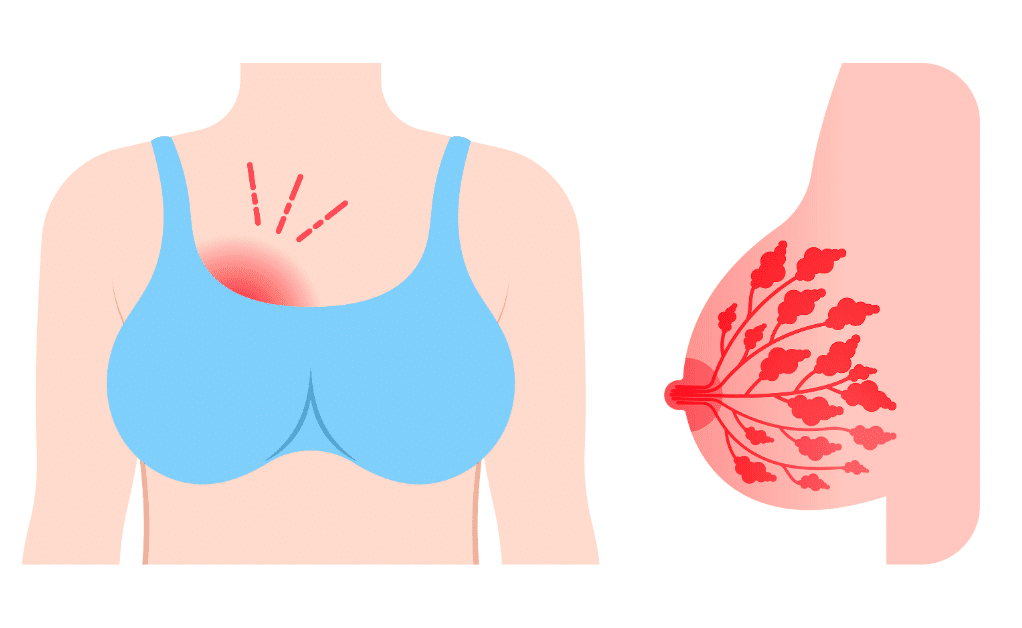
Breastfeeding is a beautiful and powerful way to nourish your baby, but it doesn’t always come without challenges. One common issue that many new moms experience in the early days or weeks of breastfeeding is breast engorgement—a condition that can be uncomfortable, frustrating, and even painful.
In this post, we’ll walk you through important information you need to know about engorgement, including what it is, why it happens, how to relieve it, and how to prevent it in the future.
What Is Breast Engorgement?
Breast engorgement occurs when your breasts become overly full of milk, blood, and other fluids. This causes the breasts to feel swollen, firm, tender, and sometimes hot to the touch. Engorgement typically happens:
2–5 days after birth, when your mature milk “comes in”
When feedings or milk expression are delayed or skipped
During periods of rapid milk production or increased supply
When weaning or reducing breastfeeding sessions
It’s important to note that some degree of fullness is normal as your milk supply regulates, especially in the early postpartum period. But true engorgement can make it difficult for your baby to latch and feed effectively, potentially leading to other complications if not addressed.
Common Signs of Engorgement
Swollen, firm, or hard breasts
Throbbing, aching, or painful sensations
Shiny, tight skin that may appear red or warm
Flattened nipples, making latching more difficult
Low-grade fever (in some cases)
While engorgement is not an infection, it can increase your risk of developing clogged ducts or mastitis if milk isn’t effectively removed.
Causes of Engorgement
There are several reasons why engorgement may occur:
Delayed or infrequent feedings in the early postpartum period
Latching issues that prevent baby from draining the breast effectively
Oversupply of milk or abrupt changes in feeding frequency
Skipping pumping or breastfeeding sessions (especially at night)
Weaning suddenly without gradually tapering off feedings
How to Relieve Engorgement
The good news is that breast engorgement is temporary and manageable with the right care. Here are some effective strategies:
1. Frequent, Effective Feedings
Breastfeed your baby often (ideally every 2–3 hours) and ensure a deep, comfortable latch. Don’t skip nighttime feedings during the early weeks, as this is when your milk supply is being established.
2. Hand Express or Pump a Small Amount Before Feeding
If your breasts are very full and baby is struggling to latch, hand express or pump just enough milk to soften the areola. This makes latching easier and helps milk flow more freely.
3. Cold Compresses Between Feedings
Apply cold packs or a bag of frozen peas wrapped in a towel to reduce swelling and discomfort. Use for 15–20 minutes as needed between feedings.
4. Warmth Right Before Feeding
A warm compress or gentle shower before breastfeeding can help stimulate letdown and milk flow, making feedings more comfortable.
5. Massage and Gentle Compression
While breastfeeding, gently massage your breast toward the nipple to help milk flow and ensure more complete drainage.
6. Supportive Bra
Wear a comfortable, supportive (but not tight) bra to reduce pressure and support your breasts.
When to Call a Lactation Consultant or Healthcare Provider
If you’re experiencing:
Severe pain or swelling
Fever over 100.4°F (38°C)
Red, hot areas that worsen
Difficulty breastfeeding or latching
Concerns about milk supply or baby’s weight gain
…it’s time to reach out to a lactation consultant (such as an IBCLC) or healthcare provider. Early intervention can prevent complications and support your breastfeeding journey.
Can Engorgement Be Prevented?
In many cases, yes! While some fullness is part of the body’s natural milk-regulating process, you can minimize the risk of severe engorgement by:
Breastfeeding early and often—ideally within the first hour after birth
Avoiding supplements or pacifiers in the early weeks unless medically necessary
Ensuring a proper latch and effective milk transfer
Not skipping feeds or pumping sessions
Gradually tapering feedings if you are weaning
Conclusion
Breast engorgement can feel overwhelming, especially when you’re already adjusting to life with a newborn. But it’s a temporary phase that can often be managed at home with supportive care, frequent feeding, and comfort measures.
Your body is learning, and so is your baby. If you’re struggling with breastfeeding, you’re not alone, and help is available. Whether you’re looking for expert guidance or simply need to feel more supported and relaxed, Hypnobabies has resources to help—including our Breastfeeding Success Hypnosis Track and Online Breastfeeding Course designed to empower you with knowledge and calm confidence.
✨️ Take 25% off of all breastfeeding products with code BAM25 during August!
Search
Categories
- Birth Center Stories 111
- Birth Hypnosis 33
- Birth Professionals 34
- Breech Babies 23
- Childbirth Education 55
- First Time Moms 198
- Home Birth 184
- Hospital Birth 500
- Hypnobabies Blog 198
- Inductions 70
- Know Your Options 95
- Media Library 21
- Multiples 18
- News 60
- Podcasts 2
- Pregnancy Hypnosis 25
- Start Here 24
- Uncategorised 34
- VBAC Birth 80
- Videos 31
- Water Birth 176